
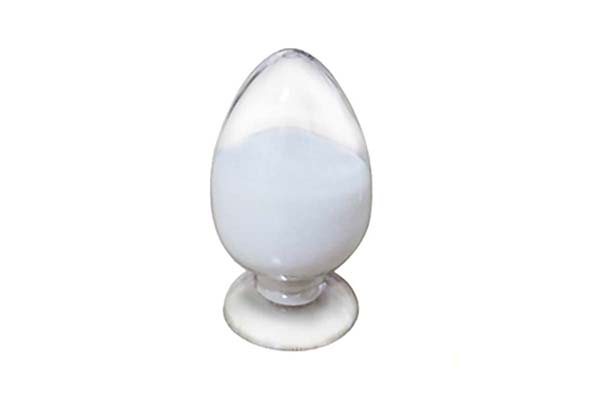
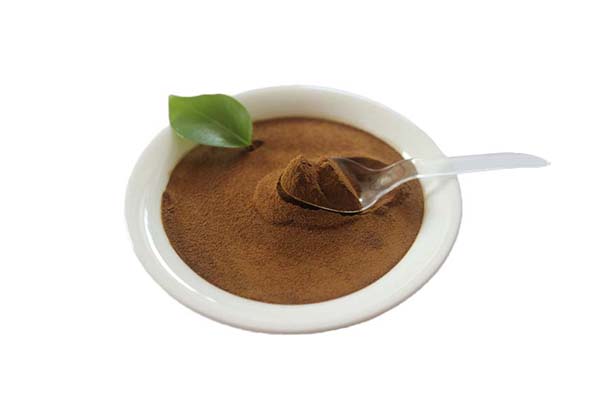
Lignosulfonates can be classified into multiple types based on different criteria. Understanding these classifications is crucial for the proper selection and application of this functional material. The following provides a detailed analysis of its classification system across four key dimensions:
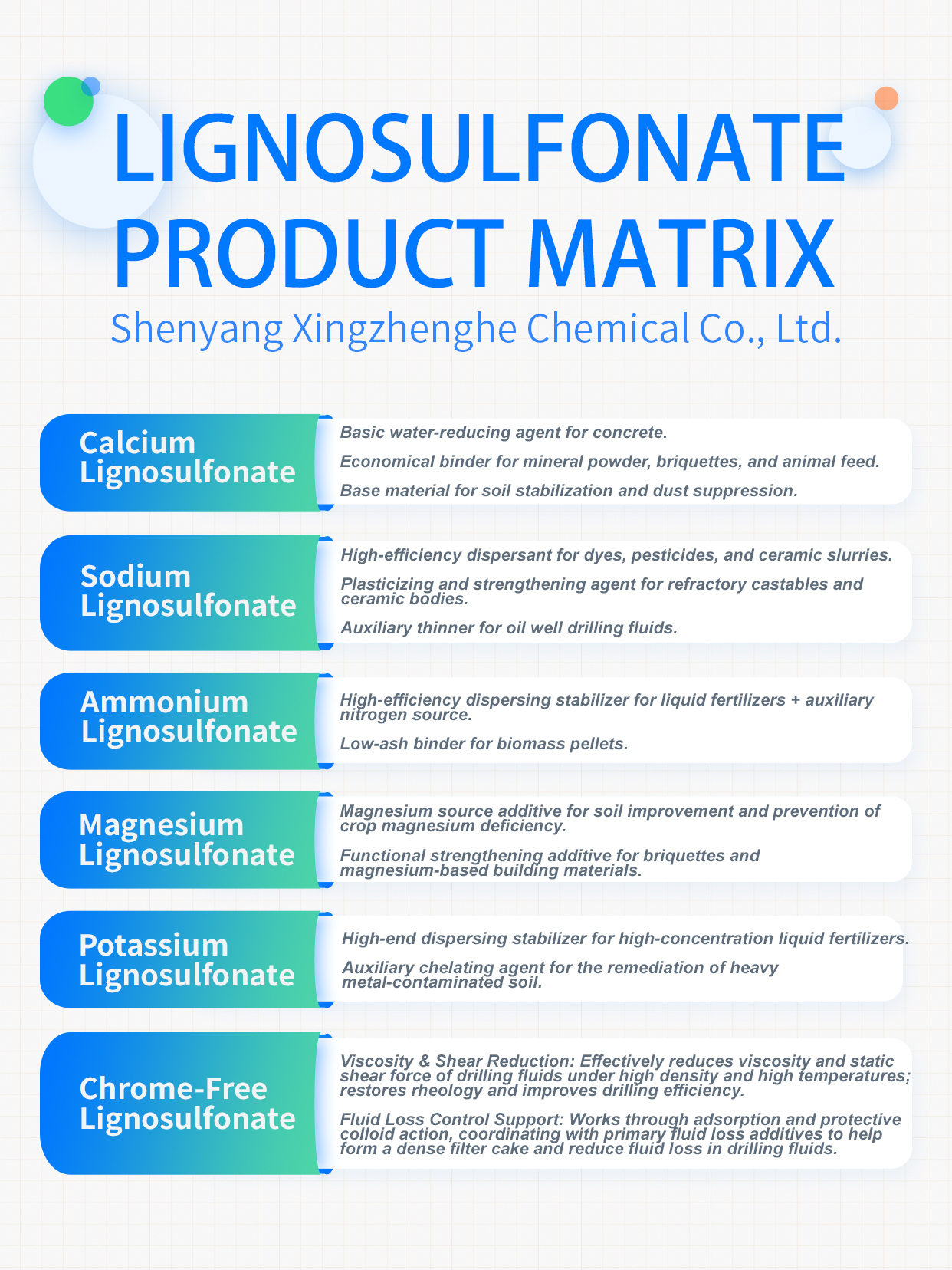
By Raw Material Source
Coniferous Wood Source: Primarily derived from coniferous trees such as pine and spruce, featuring higher sulfonation levels and larger molecular weights (2000–50000 Da).
Broadleaf Wood Source: Originating from broadleaf species like poplar and eucalyptus, exhibiting relatively smaller molecular weights (1000–30000 Da).
Grass-derived: Extracted from bamboo, rice straw, and other herbaceous plants, featuring more complex structures and higher sugar content
By Production Process
Calcium salt type: Traditional process product, containing approximately 8% calcium, pH 4–6
Sodium salt type: Prepared via ion exchange, offering superior water solubility, pH 8–10
Ammonium salt type: Produced via specialized processes, suitable for specific industrial applications
By molecular weight distribution
High molecular weight type (>20,000 Da):
Typical uses: Concrete admixtures, dye dispersants
Characteristics: Higher viscosity, weaker surface activity
Medium molecular weight type (5,000–20,000 Da):
Primary applications: Petroleum drilling mud, ceramic additives
Characteristics: Combines dispersing and binding properties
Low molecular weight type (<5000 Da):
Applications: Pesticide adjuvants, water treatment agents
Advantages: Excellent permeability, strong dispersibility
By modification degree
Conventional type: Sulfonation degree 0.8-1.2 mmol/g
Oxidatively modified type: Carboxyl content increased by 30-50%
De-sugared Refined Type: Reducing sugar content <5%, higher purity
Each type of lignin sulfonate possesses distinct physicochemical properties and application scenarios. When selecting a specific type, comprehensive consideration of process requirements, cost budgets, and performance needs is essential to maximize the value of this green material.